The complete guide to our best English-guided tours in Rome.
Rome is a city where ancient history, art, architecture and everyday life overlap at every turn. From the Colosseum and the Roman Forum to the Vatican Museums and the masterpieces of the Borghese Gallery, there are countless places to visit in Rome.
Which Rome do you want to discover?
You can visit Rome by following a map.
You can tick off the Colosseum, the Vatican, the Pantheon and the other famous landmarks, take a photo and move on to the next one.
Or you can stop for a little longer.
Listen to the story of a place. Understand why it was built. Discover who walked through it and what happened behind those walls.
That is what a guided tour can add to your visit.
Rome is a city where ancient history, art, architecture and everyday life overlap at every turn. From the Colosseum and the Roman Forum to the Vatican Museums and the masterpieces of the Borghese Gallery, there are countless places to visit in Rome.
With Tourismotion, you can choose from a range of guided tours in English, covering some of the city's most important landmarks and museums, as well as experiences beyond central Rome.
But with so many Rome attractions to choose from, deciding where to start is not always easy.
This guide will help you discover the top tourist attractions in Rome, understand which experiences are worth including in your itinerary and choose the guided tour that best suits your trip.Visiting Rome: where should you start?
Visiting Rome: where should you start?
The answer depends mainly on three things: how much time you have, what you want to see and how deeply you want to understand the places you visit.
If it is your first time in the city, you will probably want to start with the landmarks that tell the story of ancient Rome and the Vatican.
If you have already visited the main attractions, you may prefer to explore Rome through art, architecture, churches and less obvious stories.
And if you only have a few days, choosing the right experiences becomes even more important.
So, what are the best places to visit in Rome?
There is no single answer. It depends on the kind of traveller you are.
What are the top tourist attractions in Rome?
Some landmarks are almost impossible to leave out of a first visit to Rome.
The Colosseum, Roman Forum and Palatine Hill take you into the heart of Ancient Rome. The Vatican Museums, Sistine Chapel and St Peter's Basilica offer a journey through centuries of art and religious history.
Then there are places such as the Borghese Gallery and Santa Maria Maggiore, which reveal a different side of the city.
These are some of the experiences you can include in your itinerary.
If it is your first time in Rome: where should you go?
If you are visiting Rome for the first time, starting with its ancient heart is a good way to understand the city.
Colosseum, Roman Forum and Palatine Hill
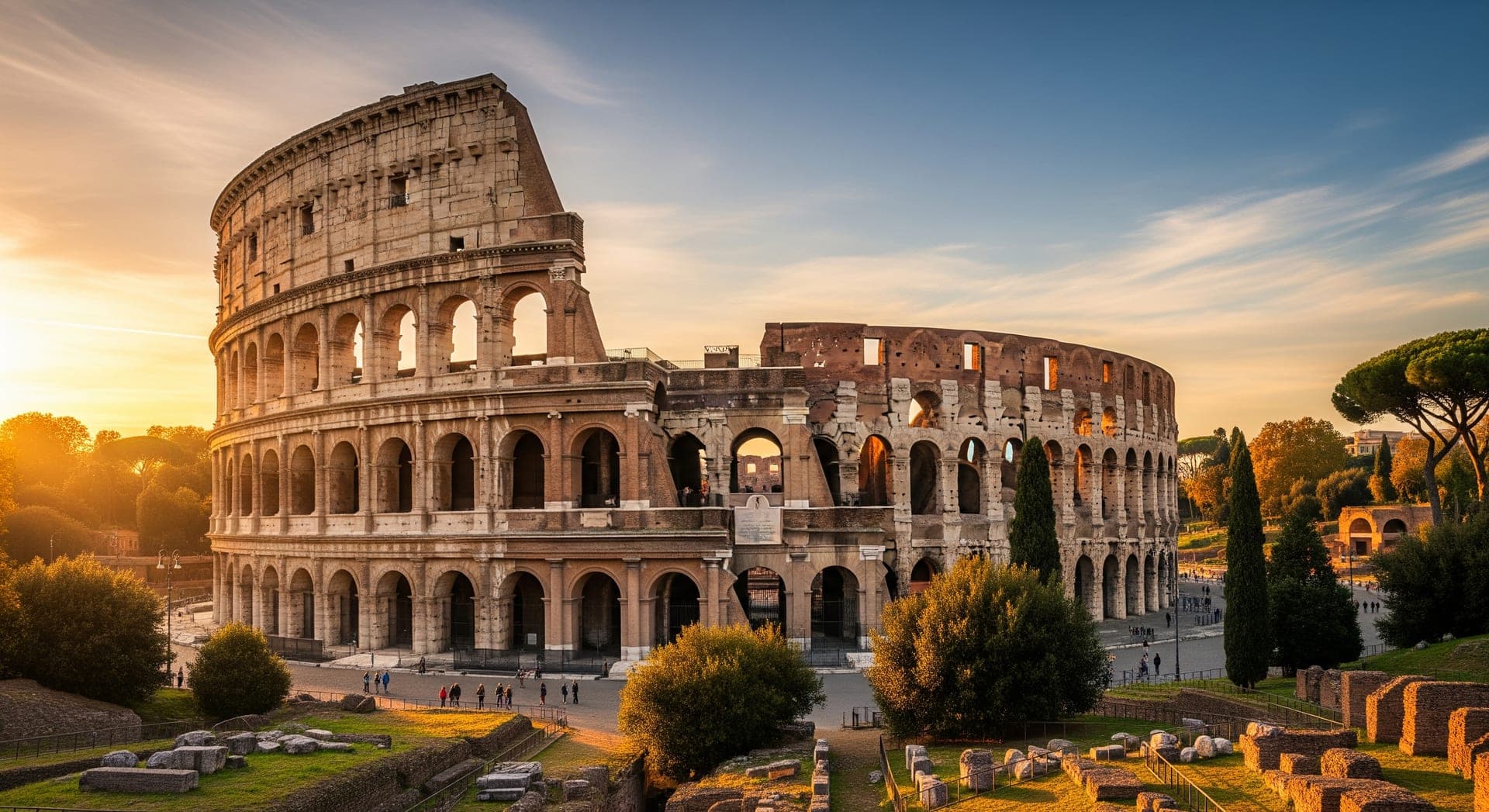
A guided tour of the Colosseum, Roman Forum and Palatine Hill is one of the most complete ways to discover Ancient Rome.
It is not simply about entering one of the world's most famous monuments.
The experience takes you beyond the Colosseum and into the centre of ancient Roman life: the spaces where political decisions were made, religious ceremonies took place, spectacles attracted huge crowds and everyday life unfolded.
A guide can help transform ruins into a city you can actually imagine. You are no longer simply looking at stones. You are beginning to understand the people, events and decisions that shaped Rome history.
The tour lasts approximately three hours and is available in English and Spanish.
Colosseum Arena, Roman Forum and Palatine Hill
For an even more immersive experience, you can choose a tour that includes access to the Colosseum Arena, together with the Roman Forum and Palatine Hill.
Entering the Arena through the ancient gladiators' gate offers a different perspective on the monument. This is where the spectacle began, where the crowds gathered and where gladiators once entered in front of thousands of spectators.
The experience lasts approximately three hours and is available in Spanish.
Can you visit the Colosseum without a guided tour?
Not every traveller wants to join a group.
If you prefer to explore at your own pace, Tourismotion also offers a Colosseum experience with an AI video guide, including access to the Colosseum, Roman Forum and Palatine Hill, with optional Arena access. It is a useful alternative if you want more freedom to decide how long to spend at each site and which aspects of Ancient Rome to explore in greater depth.
For travellers comparing Rome attraction tickets, this type of experience can be a good option when flexibility matters more than having a guide physically with you throughout the visit.
Visiting the Vatican: which tour should you choose?
The Vatican is one of the essential places to visit in Rome.
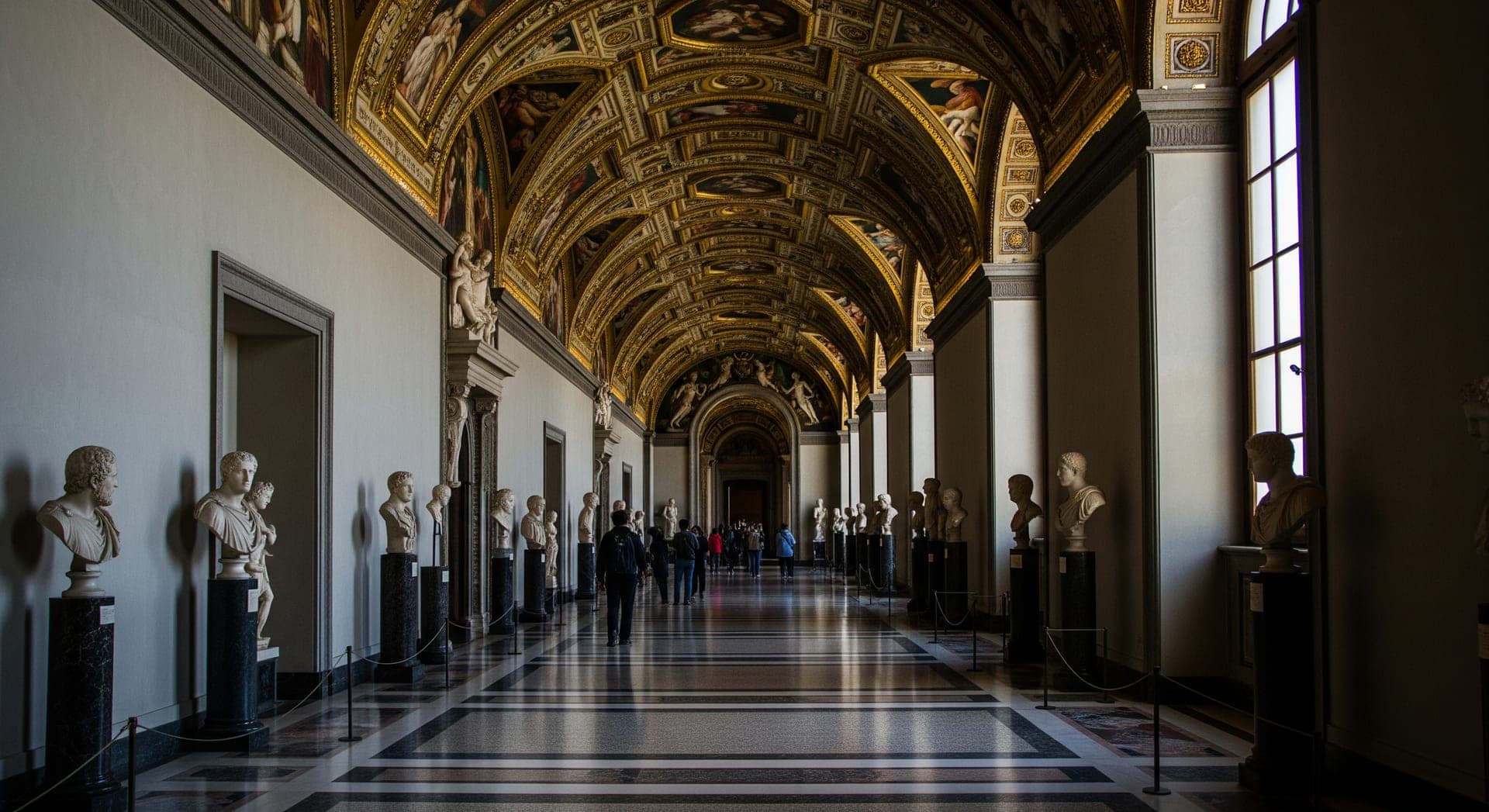
The Vatican Museums contain centuries of art and history, leading to one of the most famous rooms in the world: the Sistine Chapel, with Michelangelo's extraordinary frescoes. For first-time visitors, however, deciding between different Vatican experiences can be difficult.
Should you choose a standard guided tour? A small group? An early-morning visit? Or simply an entrance ticket?
Here are the main options.
Vatican Museums and Sistine Chapel guided tour
The guided tour of the Vatican Museums and Sistine Chapel lasts approximately three hours and is available in English, Spanish and French.
The itinerary includes some of the most important areas of the Vatican Museums, including the Gallery of Maps, Raphael's Rooms and the Gallery of Tapestries, before reaching the Sistine Chapel. A professional guide helps put the artworks into context, connecting what you see with the history, artists and stories behind them.
Because the Vatican can be overwhelming when explored without context, a guided experience can help you understand not just what you are looking at, but why it matters.
Vatican Museums and Sistine Chapel: small group tour
If you prefer a more intimate experience, you can choose a small-group Vatican tour with a maximum of 12 participants. A smaller group allows you to follow the guide's explanation more easily and gives you more opportunities to focus on individual artworks, details and stories.
The tour is available in Spanish.
Early access to the Vatican Museums
If you want to visit the Vatican early in the day, an early-access Vatican and Sistine Chapel tour in a small group can be a particularly interesting option.
The experience begins in the early morning and is available in English and Spanish, with a maximum of 12 participants. It is a different way to start the day: inside one of the world's most extraordinary collections of art, while Rome is still waking up.
Or you can choose Vatican Tour and Sistine Chapel with St. Peter's Basilica Entrance available in english.
Vatican Museums entrance ticket
If you would rather explore independently, you can also choose a Vatican Museums entrance ticket and organise your visit according to your own interests and pace.
This is the most flexible option if you already know what you want to see and prefer not to follow a fixed itinerary.What else can you see in the Vatican area? St Peter's Basilica
The Vatican Museums are not the only important attraction in this part of Rome.
St Peter's Basilica is one of the city's most recognisable landmarks and one of the most extraordinary examples of Renaissance and Baroque architecture.
A guided tour of St Peter's Basilica lasts approximately two hours and is available in Spanish.
Or you can choose Vatican Tour and Sistine Chapel with St. Peter's Basilica Entrance available in english. With a professional guide, you can discover the history of the basilica and its most famous masterpieces, including Michelangelo's Pietà and Bernini's Baldachin.
It is an experience that adds another layer to a visit to the Vatican.
A unique Vatican experience: Papal Audience
If your trip coincides with a day when a Papal Audience takes place, you can add this experience to your Rome itinerary.
This is not a museum visit or a traditional sightseeing tour. It is an opportunity to attend an event that has been part of Vatican tradition for centuries and that continues to bring together people from all over the world. A guide accompanies you through the experience, providing historical and cultural context and helping you understand the traditions surrounding the event.
For travellers interested in experiencing a different side of Vatican City, it can be a memorable addition to the usual Rome itinerary.
Looking for a different Rome? Visit Santa Maria Maggiore
Rome is much more than the Colosseum and the Vatican.
The city is home to some of the most important basilicas in Christian history, filled with architecture, artworks and stories that reveal another side of Rome.
Santa Maria Maggiore can be visited through a semi-private guided experience or an option combining entrance and an audio guide.
The visit allows you to admire its early Christian mosaics, discover the history of the basilica and, with the guided option, explore its museum areas.
It is an interesting choice if you want to move beyond the most obvious tourist routes and discover one of Rome's great historical and artistic landmarks.
If you love art: visit the Borghese Gallery
There is a Rome of emperors and ancient monuments.
And then there is a Rome of artists, collectors and masterpieces.
The Borghese Gallery belongs to the second one. A small-group guided tour at the Borghese Gallery allows you to explore one of Rome's most important art museums with an expert guide, available in English and Spanish. Inside the gallery you will find masterpieces by artists including Bernini and Canova, together with important works of painting and sculpture.
It is an excellent choice if you have already explored Ancient Rome and want to dedicate a few hours to Italian art.
How many days do you need in Rome?
There is no single answer, but three days in Rome can be enough for a first visit if you plan your itinerary carefully.
With three days, you can combine the main Ancient Rome attractions, the Vatican and one or two additional experiences. A longer stay allows you to slow down and discover more of the city rather than moving from one landmark to another.
For a first trip, a possible itinerary could include:
Day 1: Colosseum, Roman Forum and Palatine Hill.
Day 2: Vatican Museums, Sistine Chapel and St Peter's Basilica.
Day 3: Borghese Gallery, historic centre and other places of interest.
Of course, your ideal itinerary depends on your interests, travel style and the time you want to spend inside each attraction.
Is 3 days enough in Rome?
Yes, three days are enough to see many of Rome's most important attractions, especially if this is your first visit. However, three days will not allow you to see everything. Rome is a city that rewards returning to places you have already visited and leaving some time to explore without a strict schedule.
If you have four or five days, you can add museums, basilicas, neighbourhoods and even a day trip outside the city.
What is the best month to visit Rome?
The best month to visit Rome depends on what you want from your trip. Spring and autumn are generally popular choices for travellers who want to combine sightseeing with comfortable temperatures. Summer offers long days and plenty of time outdoors, but it can also be hot and busy. Winter can be quieter, although opening hours and weather should be considered when planning your itinerary.
There is no single perfect month. The best time to visit Rome is the one that fits your priorities, whether those are weather, crowds, prices or the atmosphere of the city.
Which is the best area to stay in Rome?
The best area to stay in Rome depends on your itinerary.
If you want to be close to many historic landmarks, the historic centre is a convenient choice. Areas around the Vatican can work well if the Vatican Museums and St Peter's Basilica are a priority. Other neighbourhoods offer a more local atmosphere and good connections to the main tourist attractions.
When choosing where to stay, consider not only the neighbourhood itself but also how easy it will be to reach the attractions you want to visit.
Where should a first-time tourist stay in Rome?
For a first visit, staying relatively close to the historic centre can make sightseeing easier, particularly if you have only two or three days. The most important thing is not necessarily to stay next to a specific monument, but to choose an area with good transport connections and easy access to the places on your itinerary.
This can save considerable time when visiting Rome's major attractions.
Is Rome expensive?
Rome can be expensive, but the cost of a trip depends heavily on when you visit, where you stay and how you organise your days. Accommodation usually represents one of the biggest expenses. You should also consider museum and attraction entrance fees, food, transport and guided experiences when planning your budget.
Booking major attractions in advance can also help you organise your itinerary more efficiently and avoid wasting time during your stay.
What are Rome attraction tickets and what should you book in advance?
Many of Rome's most popular attractions have limited availability or require visitors to choose a specific entry time. This is particularly important for places such as the Colosseum, Vatican Museums and Borghese Gallery.
When planning your trip, check whether the experience you want includes an entrance ticket, a reserved time slot, a guided tour or simply access to the attraction. Understanding the difference can help you choose the right option rather than booking a ticket that does not match the experience you are looking for.
What is the most visited place in Rome?
The Colosseum is one of the most famous and most visited landmarks in Rome and is often at the top of a first-time visitor's itinerary.
But the city's appeal goes far beyond one monument. The Vatican Museums, St Peter's Basilica, Roman Forum, Palatine Hill and Borghese Gallery are also among the most important attractions to include in a Rome itinerary.
The best way to experience the city is often to combine its famous landmarks with places that allow you to see a less obvious side of Rome.
What is the cheapest month to fly to Rome?
Flight prices vary considerably depending on your departure airport, airline, booking date and travel period.
Rather than assuming that one specific month will always be the cheapest, it is worth comparing dates across different seasons and being flexible with your departure and return days. If your dates are flexible, travelling outside the busiest periods can sometimes make it easier to find better-value flights and accommodation.
And remember: the cost of your trip does not end with the ticket to Rome. Accommodation, attractions, transport and activities all contribute to your final budget.
If you have one more day: Florence from Rome
Already planned your Rome itinerary and have an extra day? You could use it to discover another of Italy's great art cities.
Tourismotion offers a day trip from Rome to Florence by high-speed train, available in Spanish.
The experience lasts approximately 12 hours and 30 minutes and combines the high-speed train journey with a guided visit to Florence led by a local guide. It is an option for travellers who have enough time in Rome and want to add another major Italian destination to their trip without changing hotels.
How should you choose the right Rome tour?
If you are still unsure, start with a simple question:
What do you want to remember about Rome?
If you want to... → Consider...
- Discover Ancient Rome → Colosseum, Roman Forum and Palatine Hill
- Enter the Colosseum Arena → Arena, Colosseum, Roman Forum and Palatine Hill
- Explore the Colosseum independently → Colosseum with AI Video Guide
- Visit the Vatican early in the morning → Early-access Vatican Museums and Sistine Chapel
- Explore the Vatican in a small group → Small-group Vatican Museums and Sistine Chapel tour
- Visit the Vatican with a guide → Vatican Museums and Sistine Chapel guided tour
- Visit St Peter's Basilica with a guide → Guided tour of St Peter's Basilica or Vatican Tour and Sistine Chapel with St. Peter's Basilica Entrance
- Experience the Vatican differently → Papal Audience guided experience
- Discover one of Rome's great basilicas → Santa Maria Maggiore guided tour OR St. Mary Major Basilica Small Group Tour with Museum Areas
- Explore Italian art → Borghese Gallery small-group tour
- Visit the Vatican independently → Vatican Museums entrance ticket
- Discover another Italian art city → Florence day trip from Rome
Ready to discover Rome?
Every trip begins with a choice.
You can visit the most famous landmarks, take your photos and move on. Or you can stay a little longer.
Discover the people behind the monuments. Understand the stories behind the masterpieces. Look at Rome not simply as a collection of attractions, but as a city shaped by thousands of years of history.
From Ancient Rome to the Vatican Museums, from the Borghese Gallery to the great basilicas and day trips to other Italian cities, Tourismotion offers guided experiences designed to help you discover Italy with professional local guides. Whether you are looking for top tourist attractions in Rome, a guided experience in English or simply a more meaningful way to explore the city, the right tour can change the way you see Rome.
Why choose Tourismotion for your Rome tour?
1. Direct booking
Book your experience directly with Tourismotion, without unnecessary intermediaries.
2. Professional guides
We work with selected professional guides who can add context, history and local knowledge to the places you visit.
3. Support before and during your experience
From planning your visit to the day of the tour, our team is available to help you organise your experience in Rome.
The city is waiting.
All you have to decide is where to begin.
We recommend
The experiences behind this article, ready to book.
Book your Rome tour